
Less than a minute Read
Composite vs Coated Aluminium Recuperators: Why Material Choice Matters in Indoor Pool Environments

Category
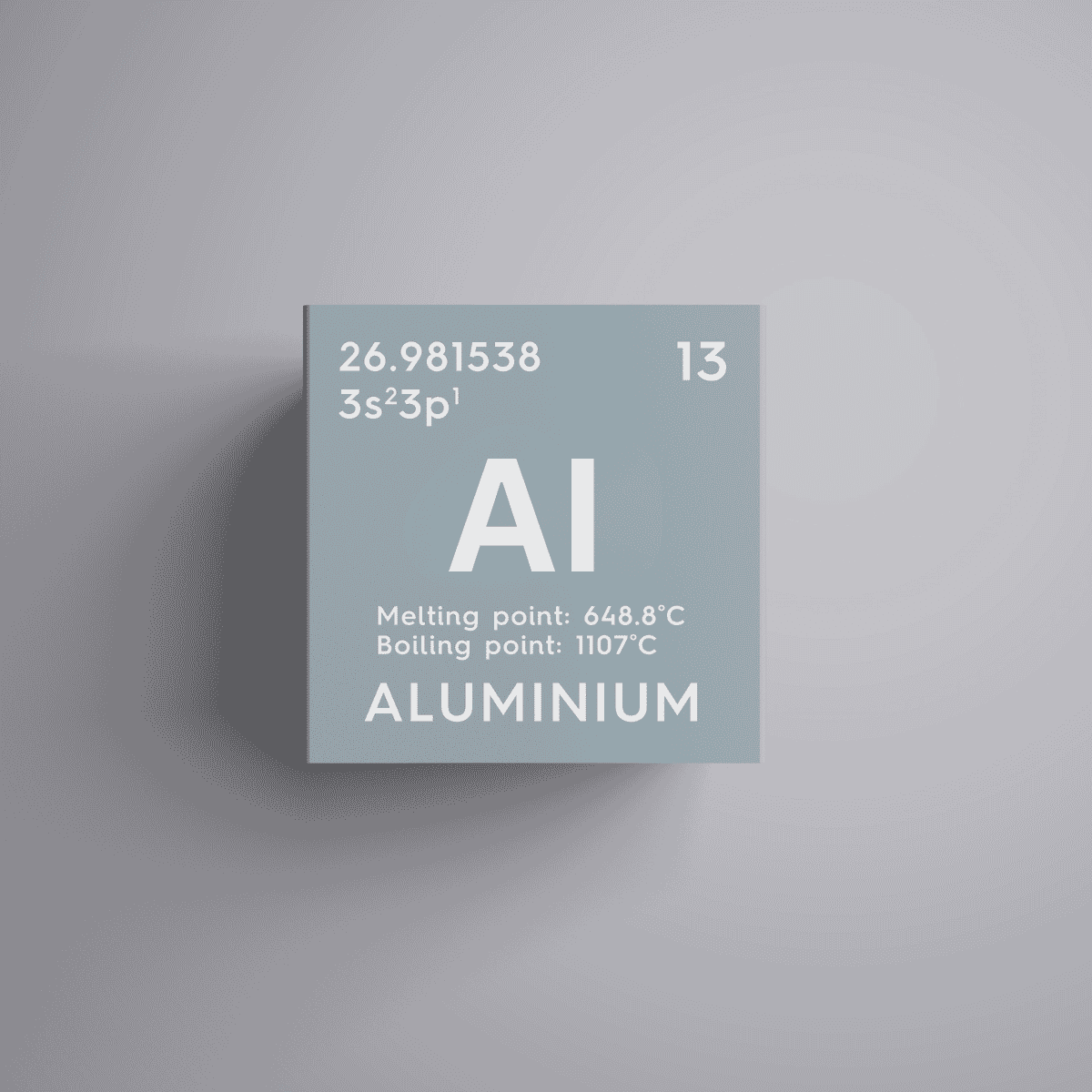
Not all recuperators are created equal. In the demanding world of indoor swimming pool ventilation, the material at the heart of your heat exchanger has a direct bearing on energy performance, reliability and whole-life cost. When specifying a pool air handling unit, the recuperator (the passive plate heat exchanger that captures thermal energy from exhaust air and transfers it to incoming fresh air), is often treated as a commodity component. It shouldn’t be.
The choice between polymer composite and coated aluminium recuperator technology is a meaningful engineering decision, and in a pool environment specifically, aluminium wins on the criteria that matter most.
The Case for Aluminium
Aluminium has long been the material of choice for high-performance heat exchangers, and for good reason. Metal heat exchangers such as aluminium exhibit significantly higher thermal conductivity and this fundamental property difference has real consequences for how efficiently a recuperator recovers heat from the exhaust airstream.
For pool ventilation systems where energy recovery is central to reducing operational carbon (capturing the heat that would otherwise be exhausted with moist, chloramine-laden return air), this thermal performance advantage is not a marginal consideration. It is fundamental to the system doing its job efficiently, year after year.
What About Corrosion Resistance?
The most frequently cited advantage of polymer composite heat exchangers is their inherent resistance to corrosion. Polymer composites offer improvements over metals regarding weight, corrosion resistance, fouling and cost. In theory, a material that cannot corrode sounds appealing in a pool environment where chloramines and acidic compounds are ever-present.
In practice, however, this argument is less compelling than it first appears for two reasons:

1. The corrosion resistance of polymer composites comes at a significant thermal cost that cannot be fully recovered through design alone. The major disadvantage of polymers in heat transfer applications is their very low thermal conductivity, between 0.1 and 0.5 W/m·K.
Researchers have worked to close this gap through the addition of thermally conductive fillers such as graphite, carbon fibre and metal particles, but even highly filled composites struggle to approach aluminium’s performance.
A heat exchanger design imposes that tube thermal conductivity must be enhanced to 8.5 W/m·K or more to achieve heat transfer comparable to metal counterparts, a threshold that remains difficult to achieve consistently in production polymer composites.
2. More importantly, the corrosion challenge in pool ventilation is well understood and effectively addressed through proper coating technology.
A quality epoxy-coated aluminium recuperator, specified and manufactured to the demands of the pool environment, delivers the thermal performance of aluminium with a surface that is resistant to the chemical conditions of pool air.
The coating does not need to make aluminium impervious to all corrosion for all time, it needs to protect the heat transfer surfaces across a defined service life (typically anywhere in excess of 25 years), which it does reliably when correctly applied and maintained.
Ease of Maintenance
Plastic plate heat exchangers are inherently less robust than aluminium equivalents. As a result, they are typically manufactured with internal webbing between the plates to provide structural strength.
However, this construction makes them significantly more difficult to clean in practice. For this reason, it is essential that the air streams on both the exhaust and fresh air sides are effectively filtered to prevent fouling.
By contrast, aluminium plate heat exchangers are structurally stronger and can be manufactured without internal webbing. This allows for a more open construction, making them considerably easier to clean and maintain. As a result, filtration requirements can be less critical from a maintenance perspective.
Whole-Life Performance
The comparison that matters most to building owners, facilities managers and sustainability-conscious specifiers is not day-one specification data, it is whole-life performance.
A polymer composite recuperator may resist corrosion passively, but it does so while recovering less heat from every cubic metre of exhaust air it processes. Over a system lifetime of 20 to 25 years, that efficiency gap compounds. Every percentage point of reduced heat recovery translates to additional energy consumed by heating systems, higher operational carbon and higher running costs for the facility.
Replacing metals with thermoplastics for heat exchanger applications involves substantial challenges including low mechanical strength, high thermal expansion, physical and environmental ageing, lower service temperature ranges and difficulty in joining. These are not hypothetical concerns and represent real design constraints that affect how polymer recuperators perform and age in service.
A high-quality coated aluminium recuperator, by contrast, combines robust thermal performance with long service life. Recotherm’s systems are engineered with longevity at their core, with units regularly achieving 25 years or more in operation. The aluminium recuperator at the heart of the system is a key reason why.
The Right Choice for Indoor Pools
Indoor pools are not a generic HVAC environment. They present elevated humidity, chloramine exposure and continuous operation demands that place real stress on every system component. The recuperator must perform in these conditions reliably, not just initially.
Coated aluminium recuperators, properly specified for pool use, meet this challenge while delivering the thermal conductivity that makes heat recovery genuinely effective. Polymer composite alternatives trade away the performance advantage that makes the recuperator worthwhile in the first place.
For M&E engineers and pool contractors looking to specify systems that deliver on energy recovery commitments, whether for net zero targets, operational carbon reduction, or simple running cost efficiency, the material choice is clear. Aluminium, correctly protected, is the right answer for pool environments.
