
Less than a minute Read
Making Swimming Accessible to All

Category
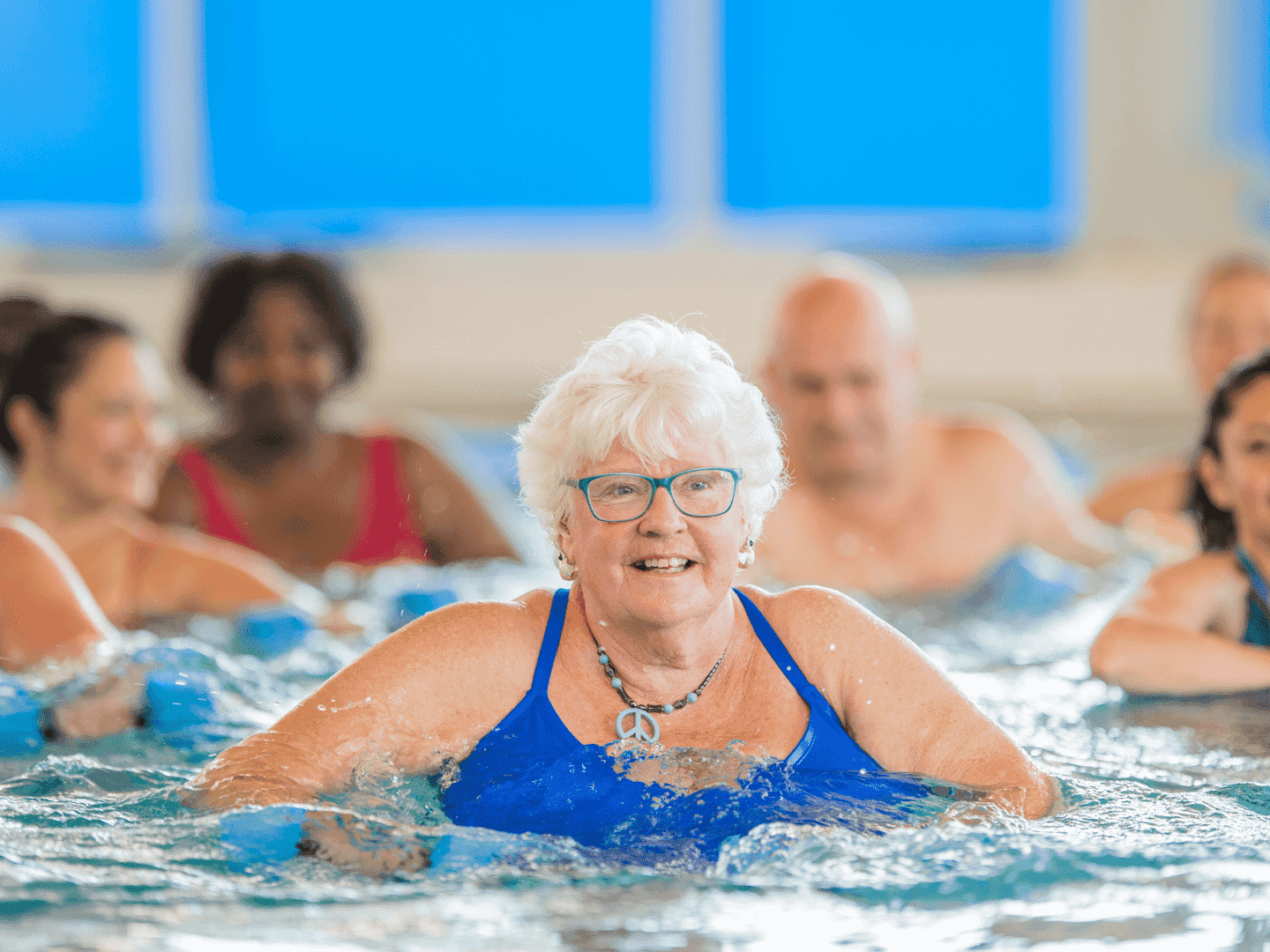
Over the past decade there’s been a significant decline in affordable and publicly accessible swimming facilities. Since 2010, nearly 400 swimming pools have closed across England alone, with the areas of greatest ill-health being disproportionately affected.
This trend is concerning, especially considering that more than 1,000 publicly accessible pools have shut down since 2010, and approximately 1,500 are over 40 years old and nearing the end of their operational life.
Swimming is widely recognised for its numerous health benefits due to its low-impact, full-body workout that enhances cardiovascular fitness, muscle strength and flexibility. Regular swimming can alleviate stress, improve coordination and provide therapeutic benefits for individuals with chronic conditions such as arthritis, heart disease and diabetes.
However for many individuals, especially those from low-income households, council-run pools are the primary venues where they can access swimming facilities. The closure of these pools limits access to affordable exercise, potentially leading to increased health disparities. Private gym memberships, which often include pool access, remain out of reach for a significant portion of the population due to their high costs.
The reduction in accessible swimming facilities may have broader implications for public health. Physical inactivity is a known risk factor for various health issues including obesity, cardiovascular diseases and mental health disorders. An increase in such conditions places additional strain on the already overburdened National Health Service.
Investing in and maintaining public swimming facilities could serve as a preventive measure, promoting a healthier population and potentially reducing healthcare costs in the long term.
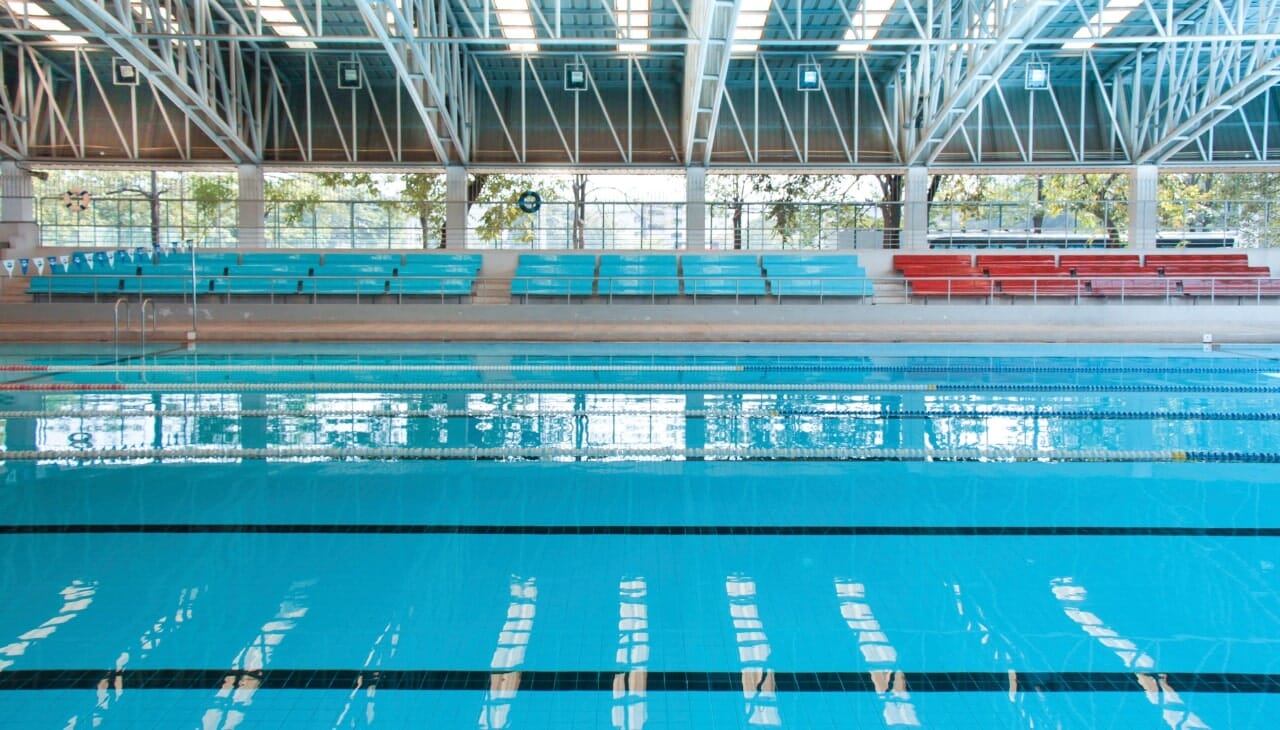
How This Can Be Achieved
The primary cause of the decline in public swimming pools is financial pressure on local authorities due to rising running costs and ageing infrastructure. So what’s to be done?

Energy Costs
Investing in energy-efficient equipment will significantly reduce the outgoings associated with operating large swimming pools. Each council or Leisure Trust can save more than the initial expenditure on new equipment over the longer-term, which is especially true of our units that have a lifespan in excess of 25 years.
Refurbishment vs Replacement
For some existing, energy hungry but viable equipment, refurbishment is a cost-effective option. Retrofitting state of the art controls with the ability to pre-set for typical pool usage, gala days and holidays, along with fully modulating fans to enhance efficiency will significantly reduce energy bills.
To support this vision we have a two-pronged approach:
Artis our commercial range of fresh air units, is designed to significantly reduce the energy costs associated with operating large swimming pools. The combination of fully variable fans and bespoke control strategies written in-house ensures each AHU uses only the energy required for optimum pool hall conditions which equates to up to a third less than standard AHUs.
In addition, our team regularly undertake site visits and are happy to discuss what steps can be taken to retrofit older units, regardless of whether they’re one of ours, to create a more cost-effective option going forwards.
By adopting energy-efficient solutions and prioritising the maintenance of public swimming facilities, we can ensure that swimming remains an accessible and affordable activity for everyone, promoting public health and alleviating pressures on our healthcare system.
