
Less than a minute Read
What World Green Building Week Means for Swimming Pools

Category
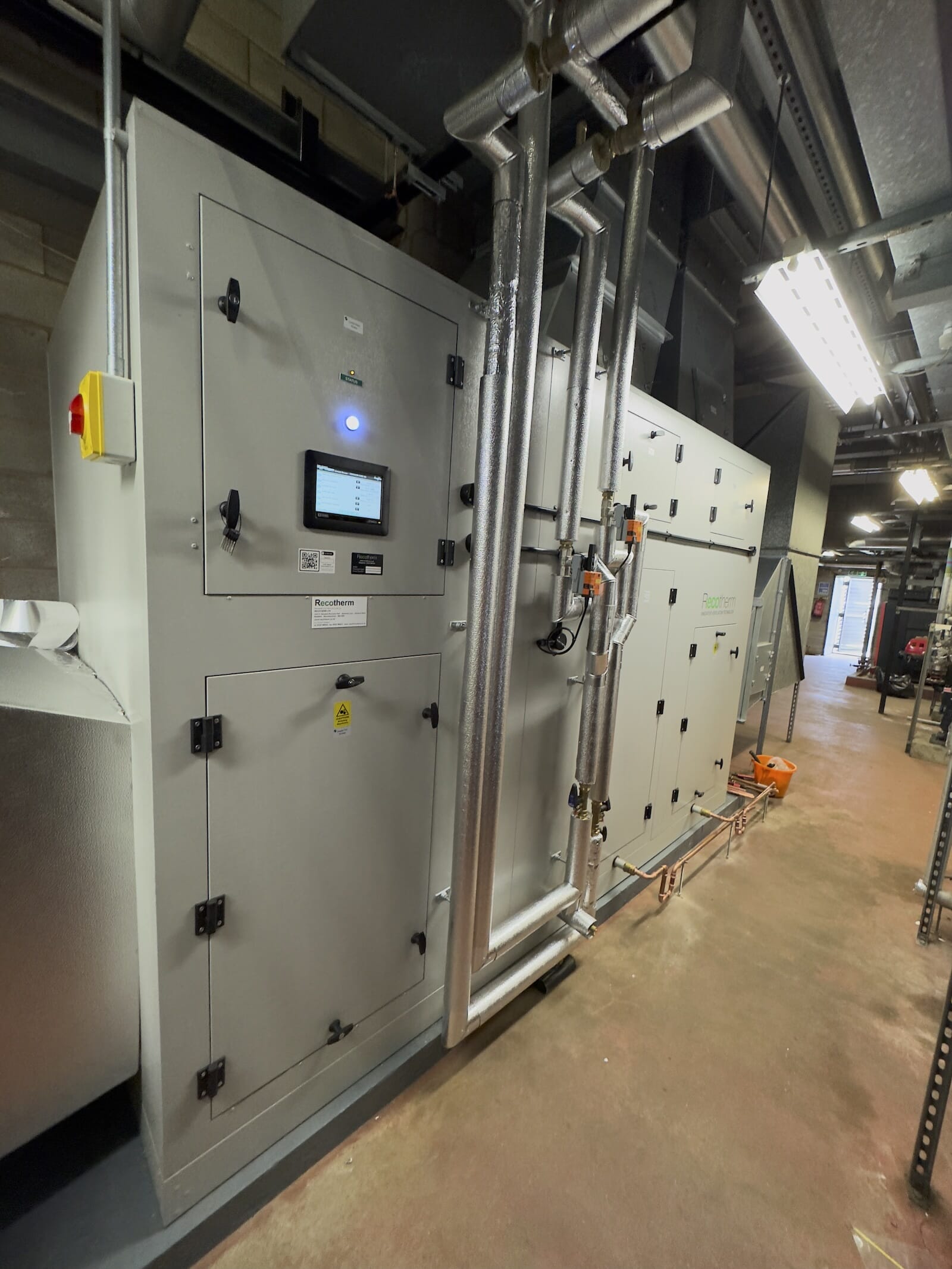
This World Green Building Week’s theme is ‘Build It Ready’. It’s a call for businesses to look at their buildings and ask a fairly uncomfortable question…are they actually prepared for what’s coming: rising energy costs, tighter carbon regulation, more extreme weather and occupants and investors who expect a building and experience that lasts the distance. It’s a question aimed at the built environment broadly but there’s no building type where the impact is larger than the swimming pool hall.

A Sector Already Under Pressure
Pool halls are, structurally and operationally, one of the toughest environments in the built estate. Constant high humidity, warm, moist air in contact with cold surfaces, and airborne chlorine by-products create conditions that most building fabric isn’t designed to withstand.
Get the ventilation and dehumidification wrong and the building runs inefficiently and actively deteriorates, creating corroding steelwork, failing roof structures and degraded air quality for swimmers and staff.
Across the UK, a lot of pool stock is now decades old, often running on plant that was never designed with today’s energy prices or net zero targets in mind. Local authorities and leisure operators are having to make hard decisions about which pools stay open. Readiness, in this sector, is the difference between a facility that has a future and one that doesn’t.
Built Resilient
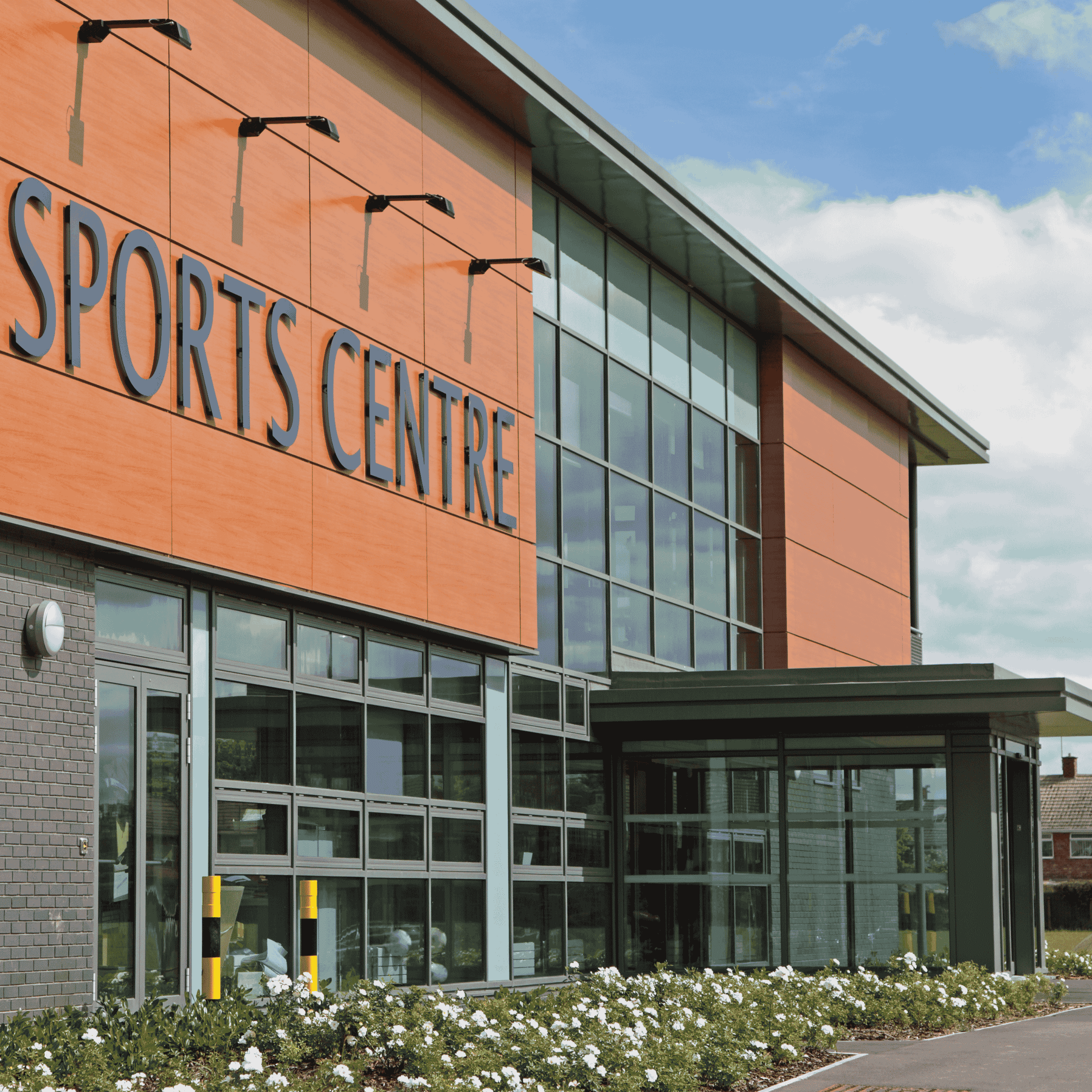
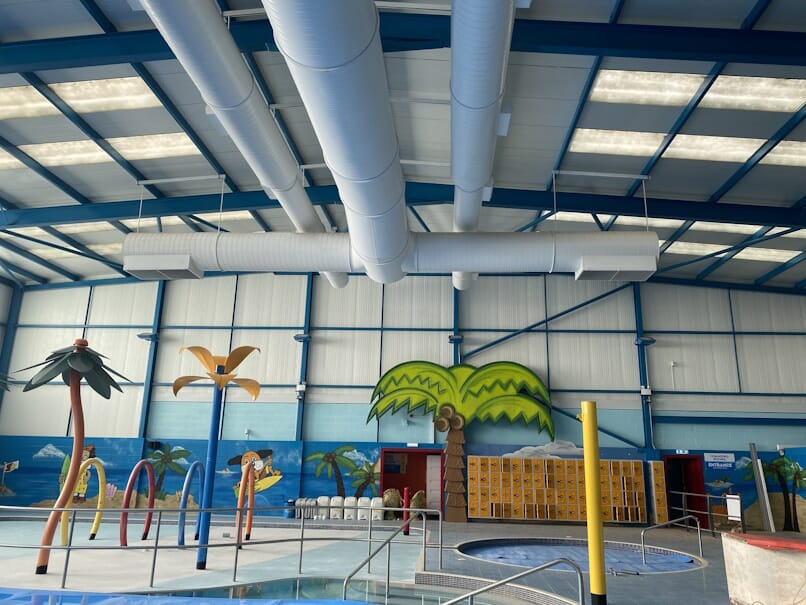
Resilience in a pool hall starts with the building envelope. Properly specified ventilation controls humidity and condensation risk, protecting roof structures, steelwork and finishes from long-term fabric damage. This is as much a maintenance and asset-life issue as a comfort one.
Built Efficient
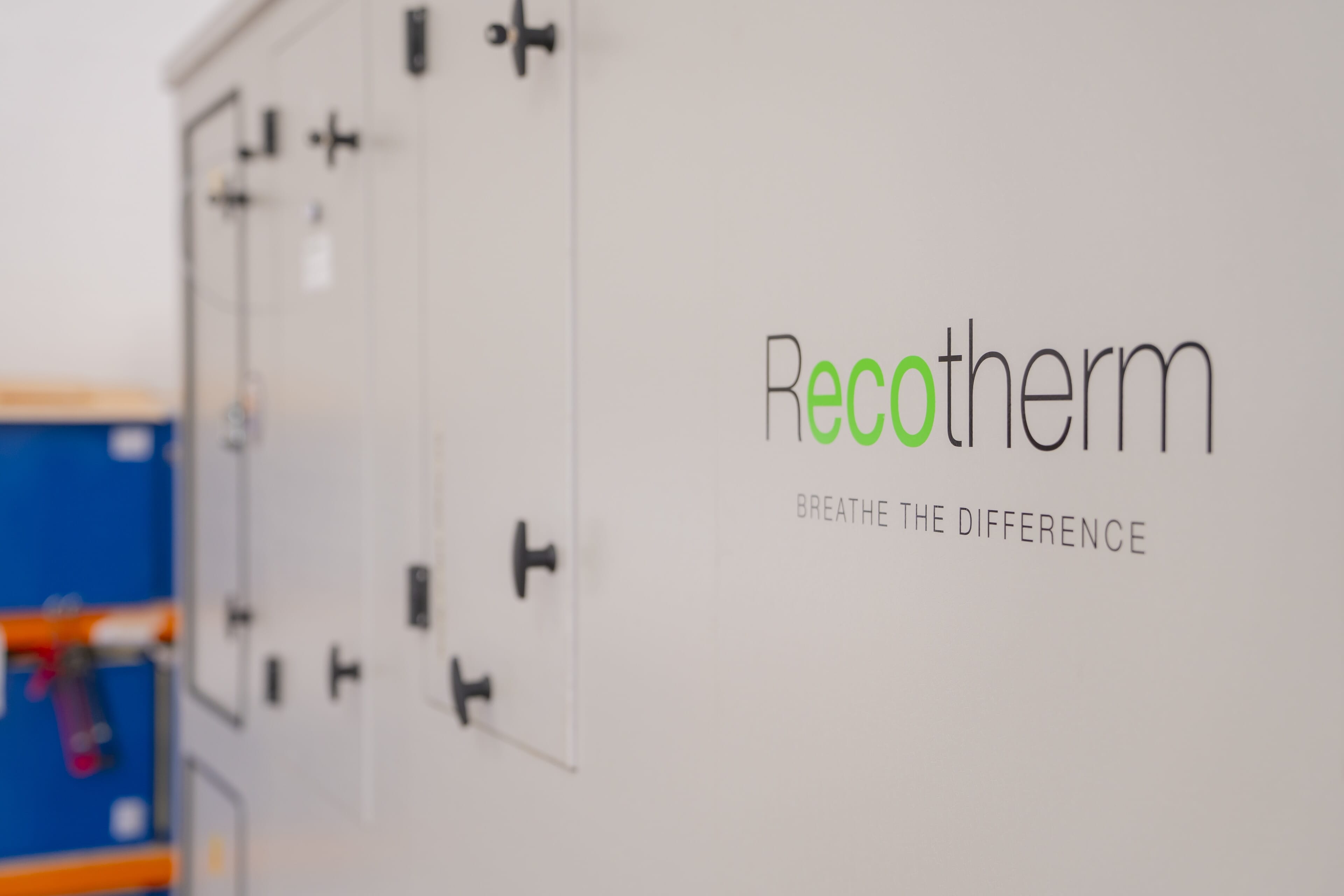
Energy efficiency in pool halls has typically meant heat recovery: reclaiming energy from warm, humid exhaust air rather than paying to heat and dehumidify from scratch. We’ve taken that further with our Aeris and Artis ranges, which recover heat and manage humidity without refrigerants at all, sidestepping the F-Gas cost and compliance questions that come with conventional systems.
Where a heat pump solution is the right fit, our Aerum range offers boiler-free heating, though as a refrigerant-based system it sits in a different bracket for F-Gas purposes and we’re always clear about that distinction with specifiers from the start.
Whole-Life Cost Over Capital Cost
The businesses most likely to thrive, as the World Green Building Council points out, are the ones that plan beyond the next budget cycle. In pool ventilation, that means looking past the capital cost of plant and asking what it will actually cost to run, maintain and replace over 15 to 20 years.
A well-specified system with good heat recovery and remote monitoring pays that back many times over in lower energy bills, fewer breakdowns and a building that is still fit for purpose when the next round of decarbonisation targets arrives.
Forty Years of Specialisation
We’ve spent more than four decades designing ventilation and dehumidification exclusively for swimming pool halls. It’s a deliberately narrow focus because pool air handling has its own physics, failure moades and regulatory landscape, and we think it descerces egineering that reflects that.
World Green Building Week’s message this year is that readiness isn’t optional. For pool halls, we’d go further: it never really went way. If you’re reviewing plant, planning a refurbishment or specifying a new build, our experts are always happy to discuss your project.