
Less than a minute Read
Why Claims That Ventilation Alone Prevents Interstitial Condensation Are Misleading

Category
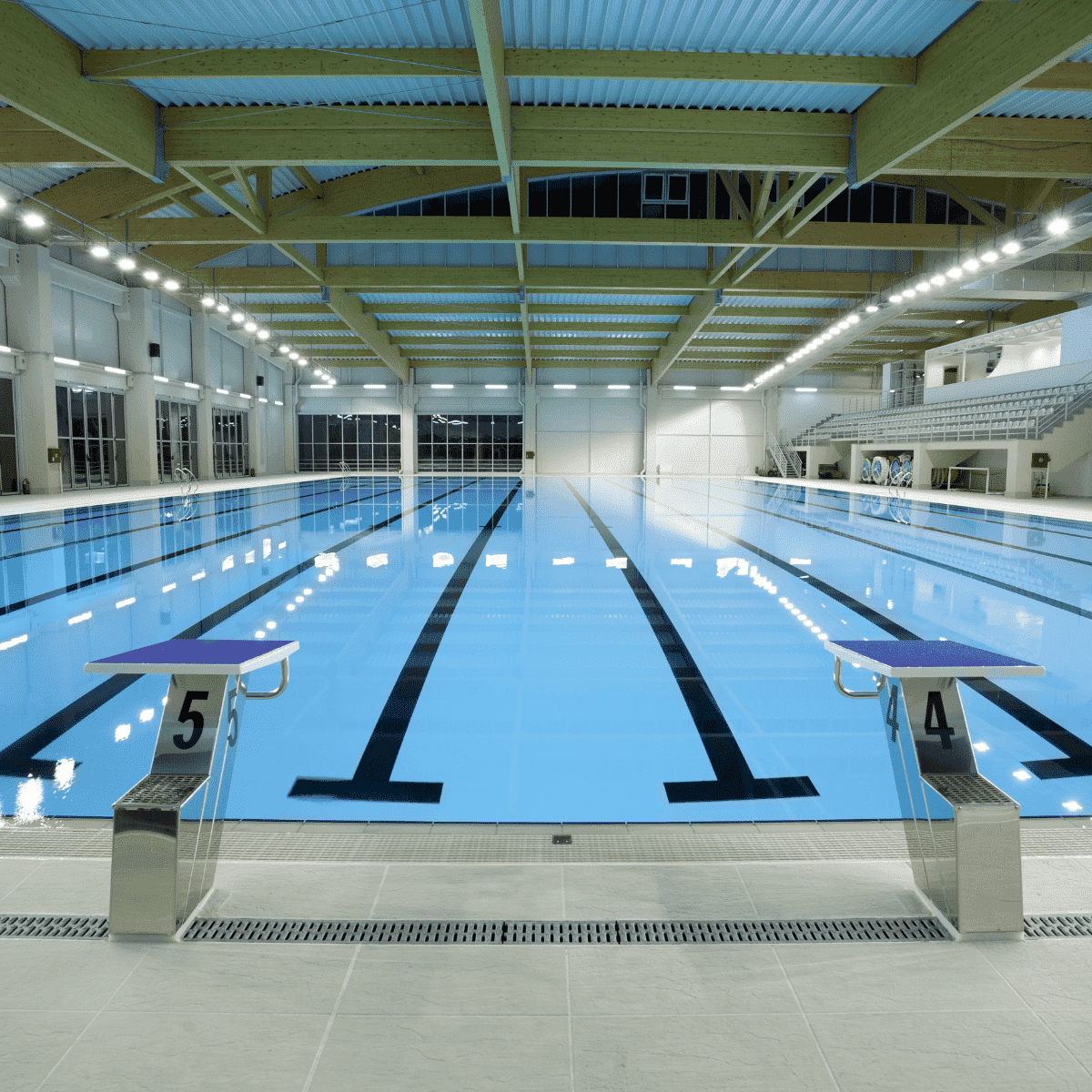
Interstitial condensation is one of the most misunderstood risks in swimming pool buildings. That misunderstanding has recently reared its head with the suggestion that interstitial condensation can be addressed through the ventilation system alone.
While such claims may appear logical at first glance, they are misleading when examined against the fundamental physics of vapour movement and building fabric performance.
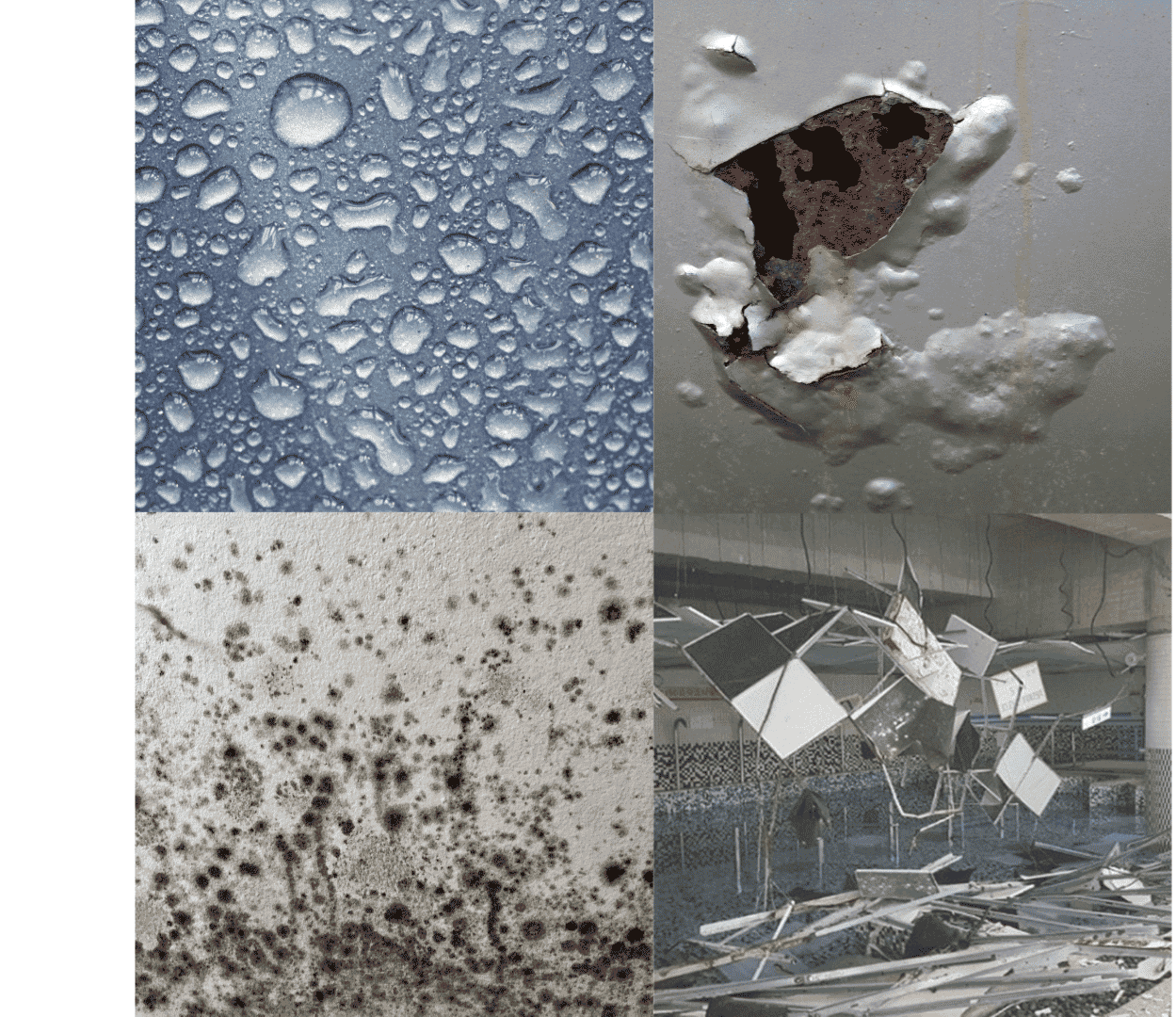
What Is Interstitial Condensation?
Interstitial condensation occurs when water vapour migrates through a building element and, as the temperature within that element falls, the vapour reaches its dew point and condenses into liquid water.
Because this condensation forms within the wall or roof structure, moisture can accumulate unseen over long periods, leading to:
- Degradation of insulation performance
- Corrosion of structural elements
- Timber decay and mould growth
- Reduced service life of the building
In high-humidity environments such as pool halls, the consequences of poor building envelope design are magnified.
How Vapour Moves Through Building Fabric
Vapour movement through a wall is driven by vapour pressure differential, in the same way that heat transfer is driven by temperature difference.
Moisture migrates from areas of higher vapour pressure to areas of lower vapour pressure. In pool halls, internal vapour pressure is almost always higher than external conditions, particularly during winter.
Without proper control, this vapour is continually driven into the building fabric.
Why Ventilation Alone Cannot Eliminate Interstitial Condensation
Recent commentary in the industry has suggested that ventilation systems can be used as the primary means of preventing interstitial condensation. In practice, the only way ventilation alone could achieve this would be by equalising the vapour pressure inside and outside the pool hall.
Under winter design conditions, this would require reducing internal relative humidity to below 10%.
Such conditions are neither practical nor acceptable. They would:
- Dramatically increase pool evaporation rates
- Significantly increase energy consumption
- Create extremely uncomfortable conditions for occupants
- Undermine the operational intent of the facility
Ventilation is effective at managing internal air conditions, but it cannot override the physics governing vapour diffusion through walls and roofs.
Insulation Is Not Vapour Control
Heat loss through building elements is controlled using insulation with high thermal resistance. Vapour migration, however, must be addressed separately.
This requires materials with high resistance to moisture transfer — commonly referred to as vapour control layers (VCLs).
Assuming ventilation can compensate for inadequate vapour control within the building fabric creates a false sense of security and significantly increases long-term risk.
The Importance of Clear, Physics-Led Design
There’s no doubt that ventilation plays a supporting role in moisture management, but it cannot replace correct building fabric design. Both must work together from the earliest stages of a project.
When guidance published within the industry oversimplifies this relationship, it risks encouraging poor design decisions and avoidable failures that unfortunately only become apparent some time after the building becomes operational.
Clear understanding of this matter is essential if pool halls are to perform as intended throughout their design life.
