
Less than a minute Read
Pool Ventilation and Dehumidification Is a Wellness Issue

Category
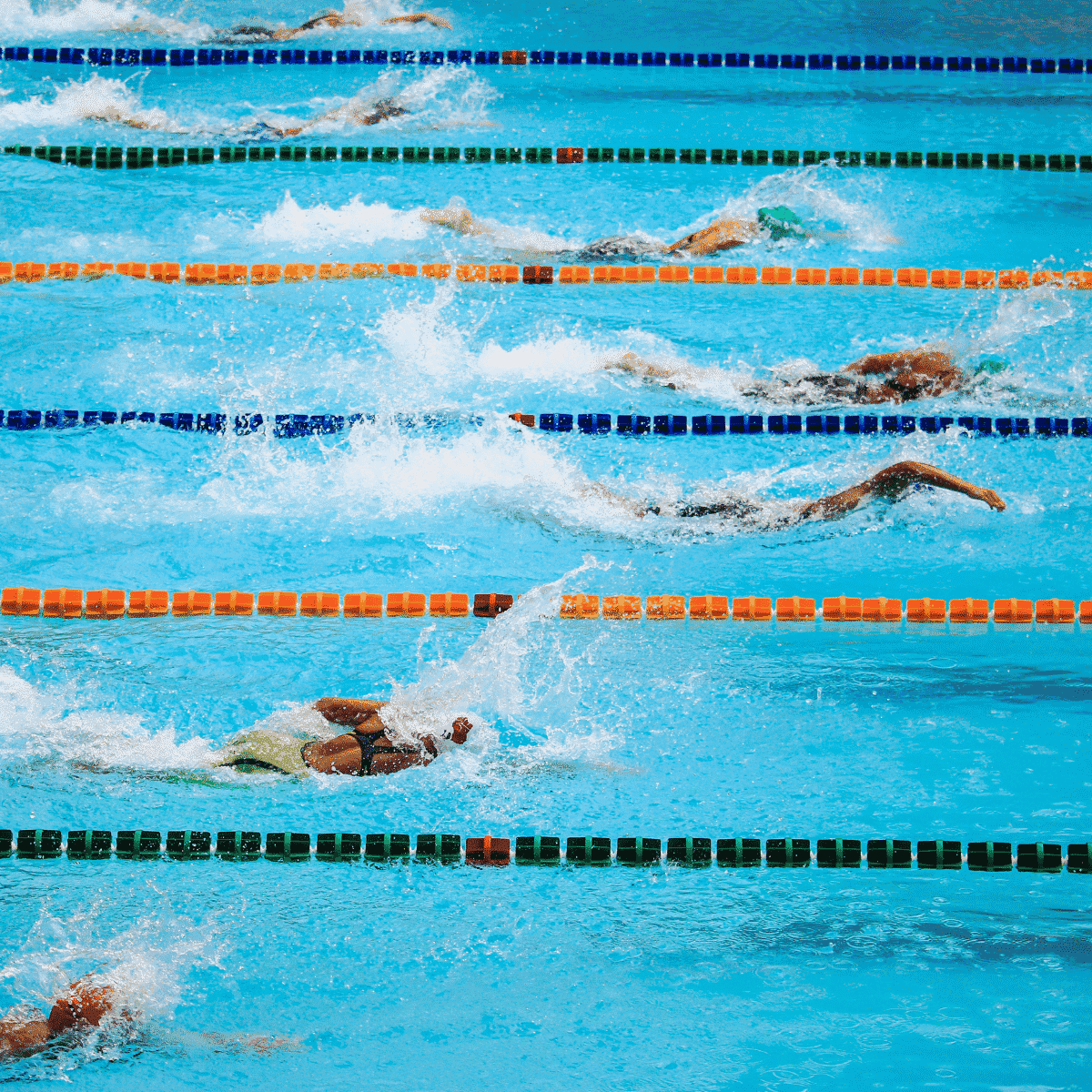
Global Wellness Day, observed on 13th June, is a moment to applaud the environments that support health and wellbeing. For those of us in the swimming pool ventilation and dehumidification sector, that reflection has a very specific focus: the air inside indoor swimming pools.
Swimming is one of the most widely recommended forms of exercise. It is low-impact, accessible to all ages and abilities, and carries well-documented benefits for cardiovascular health, muscular development, and mental wellbeing. But the benefits of a swim depend, in ways that are rarely discussed publicly, on the quality of the air surrounding the water.
Because we’ve spent more than four decades engineering ventilation and dehumidification systems for indoor pool environments we know that a poorly ventilated pool is a genuine health risk.
The Invisible Hazard
When chlorine reacts with organic matter like sweat, skin cells and cosmetics it produces a family of chemical compounds known as chloramines.
Trichloramine in particular, is a volatile compound that off-gases from the pool water into the surrounding air. It is responsible for the pungent smell that many people associate, incorrectly, with too much chlorine. Unfortunately that smell is not a sign of a clean pool, it’s a sign of a pool with an air quality problem.
Prolonged exposure to trichloramines has been linked to respiratory irritation, aggravation of asthma and eye and skin discomfort. For competitive or regular swimmers and professional lifeguards, people who spend hours each week in these environments, the occupational health implications are serious.
Research consistently links prolonged exposure to chloramines in indoor pool environments, particularly trichloramine, with airway inflammation and respiratory dysfunction.
The solution is to design ventilation systems that continuously extract and dilute contaminated air, supply fresh conditioned air at the waterline where trichloramine concentrations are highest and maintain appropriate pressure relationships to contain humid air within the pool hall. In other words, precisely what a well-specified pool AHU is designed to do.

Community Pools
Indoor swimming pools are rarely thought of as health infrastructure in the way that hospitals or GP surgeries are. We’ve written about why they should be before.
Pools serve populations that have limited alternatives for physical activity: older adults managing joint conditions, people with disabilities, children in primary school swimming programmes and patients in rehabilitation. The closure of a community pool, and there have been hundreds across the UK in recent years, is a public health issue.
Ventilation systems sit at the center of pool longevity. Poorly controlled humidity accelerates corrosion of structural steelwork, attacks building fabric and degrades mechanical plant.
The cumulative effect is a facility that becomes increasingly expensive to maintain and, ultimately, unviable to operate. That trajectory ends with closure.
Investing properly in pool HVAC, including energy recovery through recuperators, demand-controlled ventilation and variable speed drives is not an indulgence. It is the mechanism by which these facilities remain open, remain safe and continue to serve their communities for decades.
Occupational Health
Bather comfort and health tend to dominate conversations about pool air quality with the wellbeing of the people who work poolside every day receiving less attention than it deserves.
Lifeguards, swimming instructors and facility managers spend their working lives in an environment where air quality is inherently challenging. They cannot choose to step outside when trichloramine levels spike.
Their respiratory health over the course of their career is directly shaped by the quality of the ventilation system their employer has installed.
This is a straightforward occupational health issue, one that with good system specification, combined with regular maintenance, can be substantially mitigated.
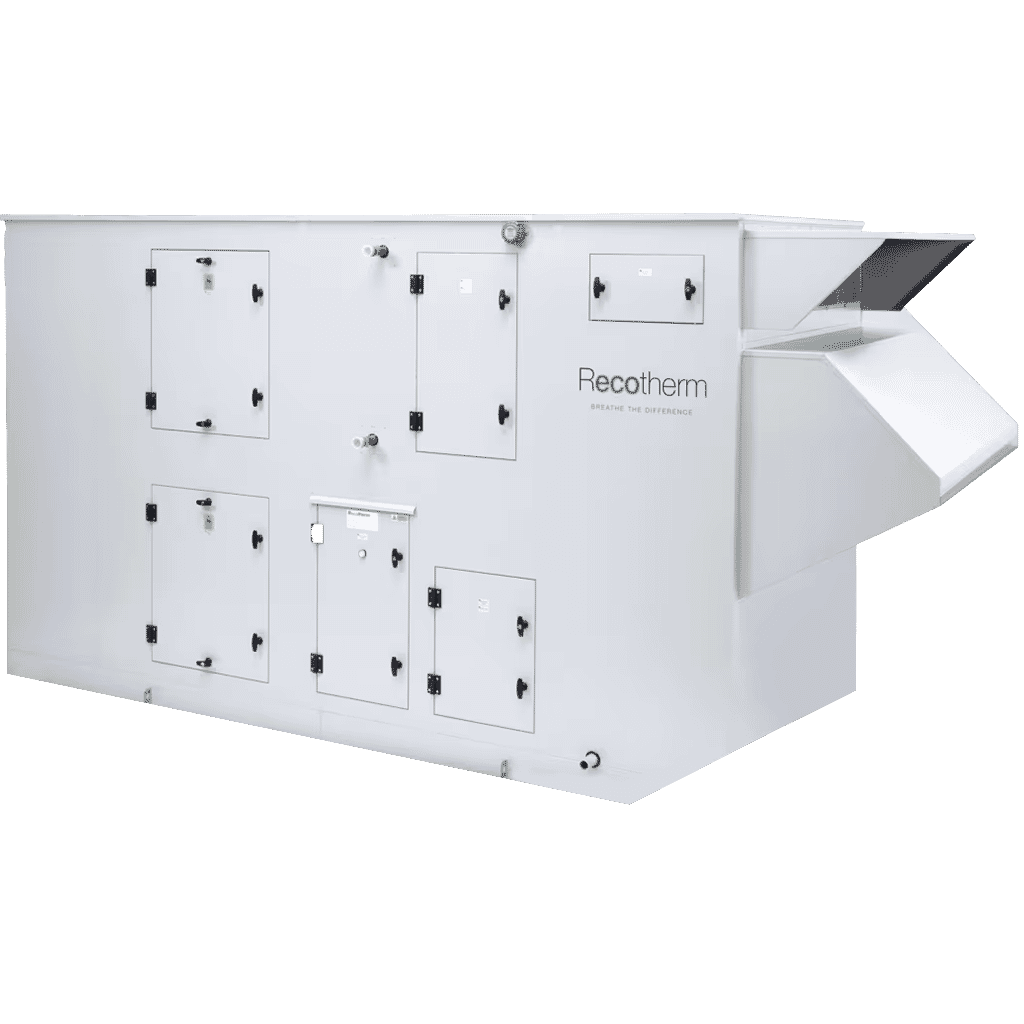
Breathe the Difference
The conversation around wellness in the built environment has grown significantly in recent years, and it’s universally acknowledged that air quality has a direct and measurable impact on the health and performance of the people within it.
The systems working hardest for human health are often the ones least visible. A correctly specified, well-maintained ventilation system running behind the scenes is a precondition for everything a swimming pool is meant to deliver.
If you’re specifying or managing an indoor pool and want to discuss pool ventilation and dehumidification design, click below to talk to the Recotherm team.